National Removals and Storage
Moving to Europe After Brexit: Customs and Household Goods
Since the UK left the EU, household goods moving to Europe go through customs. This guide explains when your belongings can enter free of import duty and VAT, the conditions, and the paperwork you will need.
- Written scope
- Inventory and access
- Liability and terms
- Named contact and complaints
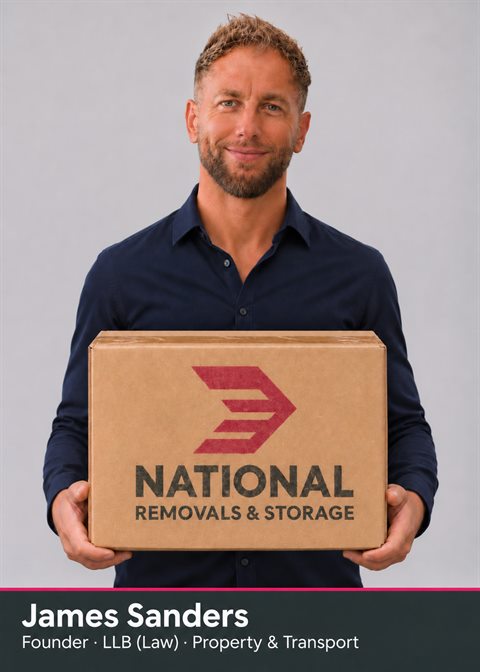
Written and reviewed by James Sanders, founder of National Removals and Storage
Last reviewed
The short version
The short answer
If you are moving your main home to an EU country, your belongings can usually enter without import duty or VAT. The main conditions are that you have lived outside the EU for at least 12 months in a row, you have owned and used the goods for at least six months, they arrive within 12 months of you taking up residence, and you do not sell, lend or hire them out for 12 months without telling customs. Furnishing a holiday home is treated differently. You will normally need a signed inventory and proof of your new address. This is general guidance, not legal or tax advice.
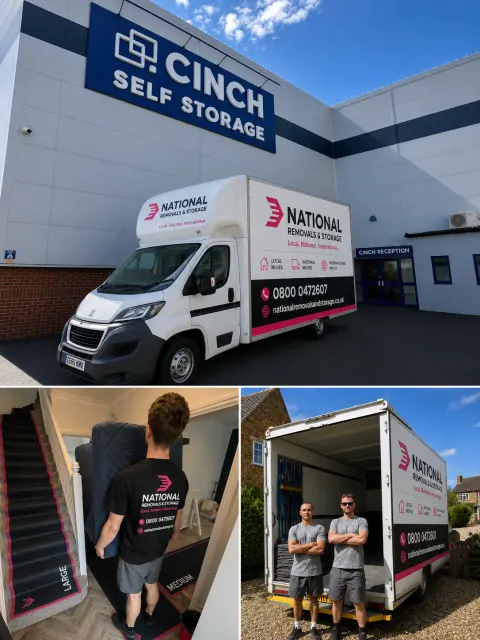 Real team, real vans
Before you book
What to know
The main points, in the order you are likely to need them.
Duty-free relief
Moving your main home to the EU usually means no import duty or VAT on belongings you have owned for six months.
The 12-month rules
You must have lived outside the EU for 12 months, import within 12 months and keep the goods for 12 months.
Paperwork
A signed inventory, proof of your new address, your passport and, in some countries, a local tax number.
Want us to run these checks with you?
Answer three quick questions and our team will come back with a written quotation.
Hold us to it
Use the same checks when comparing us
A useful checklist should work for every company you consider. Ask us for the same written detail: the agreed inventory, access assumptions, included work, liability terms, payment schedule and the person responsible for your move.
Written scope
Check that the quotation states what is moving, which services are included and what could change the price.
Inventory and access
Make sure stairs, lifts, parking, long carries and unusual items are recorded before move day.
Liability and terms
Read the liability limits, exclusions, cancellation terms and claims process rather than relying on a verbal summary.
Named contact and complaints
Confirm who will coordinate the booking, how changes are recorded and where a complaint can be escalated.
Good questions
Frequently Asked Questions
Answers to common questions about moving to europe after brexit and how the service works.
Do I pay import duty on my furniture?
Usually not, if you are moving your main home and have owned and used the goods for at least six months. Conditions apply, and the customs authority decides.
Does the relief apply to a holiday home?
Not in the same way. Furnishing a second or holiday home is treated differently, so check with the destination country's customs authority first.
Do you handle customs for me?
We prepare the inventory with you and explain what each side of the border will ask for. You remain responsible for your own declarations, duties and taxes.
Who can bring belongings in free of duty
EU customs rules allow relief from import duty and VAT on personal belongings when you move your normal home into the EU. The main conditions are:
- You have normally lived outside the EU for at least 12 months in a row.
- You have owned and used the belongings for at least six months before the move.
- The goods enter the EU within 12 months of you taking up your new residence, in one load or several.
- For 12 months after they enter, the goods cannot be sold, lent, hired out or given away without telling the customs authorities.
Read next: Long-distance moves
Holiday homes are different
Furnishing a second or holiday home is treated differently from moving your main home, and the relief may not apply in the same way. Check with the customs authority in the destination country before you book, especially if you are buying new furniture for the property.
The paperwork
Leaving the UK, a permanent move usually needs an export declaration for the household goods. We prepare the inventory with you and explain what each side of the border will ask for, but you remain responsible for your own declarations, and any duties or taxes are not included in our price.
- A signed, itemised inventory of everything in the load.
- Proof of your new address, such as a rental contract, property deeds or residence registration.
- Your passport, and in some countries a local tax number.
- Proof that you lived outside the EU, such as UK council tax or utility bills.
Read next: European removals
Items to check before you pack
Restricted and controlled items vary by country, and some things we do not move anywhere, such as gas bottles, paints and valuables. Tell us about anything unusual when you request a quote. This guide is general information, not legal or tax advice: the customs authority decides how your goods are treated.
Read next: What removers will not move · Part-load European removals
Long-distance and European moves
Part of our long-distance and european moves guides
Moving across the UK or to France, Spain and Portugal: timings, shared runs, customs and paperwork.
- Long-distance moves
How UK-wide, European and international moves are planned, timed and priced.
- Moving across the UK
Surveys, pre-loads, overnight moves, storage and the extra costs of a long UK move.
- How long a European removal takes
Transit times on our runs to France, Spain and Portugal, and collection to delivery.
- Part-load European removals
How shared runs work, who they suit, how the price is worked out and how to book space.
Services and tools for this stage
Moving to France, Spain or Portugal?
We run regular removal runs from the West Midlands and help you prepare the inventory customs will ask for. Call 0800 007 4564.