National Removals and Storage
What Not to Put in Storage
Some items cannot be stored at all, and others need preparing first so they come out of storage in the same condition they went in. This guide lists both.
- Written scope
- Inventory and access
- Liability and terms
- Named contact and complaints

Written and reviewed by James Sanders, founder of National Removals and Storage
Last reviewed

The short version
The short answer
Do not put anything flammable, explosive or hazardous into storage, including gas bottles, aerosols, paint, fuel and chemicals. Food, plants, animals and anything that needs a controlled temperature cannot be stored either. Jewellery, money, deeds, high-value collections, phones and laptops are excluded unless agreed in writing. Everything else should be clean and fully dry, with fridges and freezers defrosted for at least a day and washing machines drained.
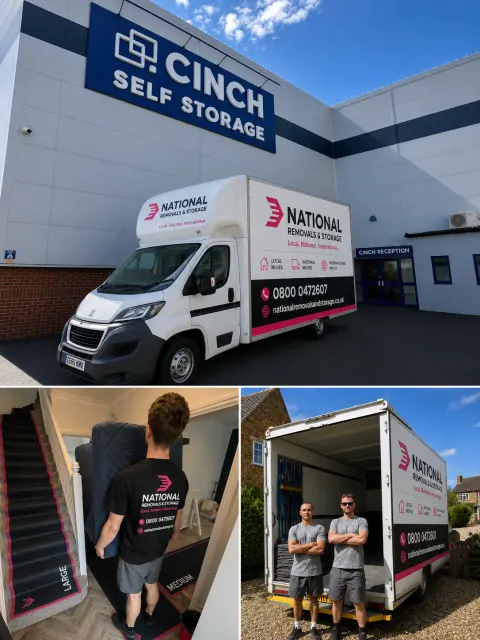
Real team, real vansBefore you book
What to know
The main points, in the order you are likely to need them.
Dangerous goods
Gas bottles, aerosols, paint, fuel, oil, fireworks, chemicals, firearms and anything flammable, toxic or corrosive cannot be stored.
Valuables and devices
Jewellery, watches, money, deeds, securities and high-value collections are excluded unless a director or authorised representative has agreed in writing. Phones, laptops, tablets and data storage devices are only stored if specifically agreed.
Anything that can spoil
Food, plants, animals and anything that needs a controlled temperature or could attract pests should not go into storage, because it can damage everything around it.
Want us to run these checks with you?
Answer three quick questions and our team will come back with a written quotation.
Hold us to it
Use the same checks when comparing us
A useful checklist should work for every company you consider. Ask us for the same written detail: the agreed inventory, access assumptions, included work, liability terms, payment schedule and the person responsible for your move.
Written scope
Check that the quotation states what is moving, which services are included and what could change the price.
Inventory and access
Make sure stairs, lifts, parking, long carries and unusual items are recorded before move day.
Liability and terms
Read the liability limits, exclusions, cancellation terms and claims process rather than relying on a verbal summary.
Named contact and complaints
Confirm who will coordinate the booking, how changes are recorded and where a complaint can be escalated.
Good questions
Frequently Asked Questions
Answers to common questions about what not to put in storage and how the service works.
Can I store a fridge or freezer?
Yes, once it has been defrosted and left to dry for at least a day. The door should be left slightly open while it is stored.
Can I store jewellery or important documents?
Not unless agreed in writing. Keep jewellery, passports, deeds and birth certificates with you.
Can garden furniture and tools go into storage?
Yes, if they are clean and dry. Drain fuel from mowers and other machinery first, because fuel cannot be stored.
Can I store a computer or laptop?
Only if it has been specifically agreed. Back up anything important first and pack devices in their original boxes where you can.
Items we will not store
Our terms list the goods we do not move or store unless a director or authorised representative has agreed in writing. If any of these are found in a stored load, we may refuse to keep them or ask you to collect them.
- Anything dangerous, explosive, flammable, toxic, corrosive or hazardous
- Gas bottles, aerosols, paint, fuel, oil, fireworks, chemicals, firearms and ammunition
- Jewellery, watches, precious stones and metals, money, deeds, securities, stamps, coins and high-value collections
- Phones, laptops, tablets and data storage devices, unless specifically agreed
- Perishable food and anything that needs a controlled temperature
- Anything likely to attract vermin or pests, or to cause contamination
- Animals and plants
- Goods that need a licence or government permission, and anything illegal or stolen
Read next: Terms and conditions
Furniture and soft furnishings
Vacuum sofas and chairs, wipe down hard surfaces and let everything dry fully before collection. Use breathable dust covers or blankets rather than sealing upholstery in plastic, which holds in moisture.
Take legs off tables, dismantle beds and wardrobes, and keep the fixings in a labelled bag taped to the largest piece. Mattresses should go in mattress bags and be stored flat or on their edge, not folded.
Appliances
Defrost fridges and freezers and leave them to dry for at least a day before collection. Drain washing machines and dishwashers, and fit transit bolts to the washing machine if you still have them.
Once stored, appliance doors should be left slightly open so air can circulate. Tape the door so it cannot swing during handling.
Keep these with you
Some things are allowed in storage but are better kept close. Passports, deeds, birth certificates and anything you will need during the gap, such as medication, chargers, work equipment and school uniforms, should travel with you.
Read next: Storage between house moves · Storage insurance
Storage
Part of our storage guides
When storage helps during a move, which type suits you and how to prepare, size and cover what you store.
- Storage guide
When storage makes sense, what to store and how to prepare your belongings for it.
- Container storage or self-storage
How collection-only container storage and customer-access storage compare on cost and access.
- How much storage space you need
Storage sizes, what each one holds and how to work out the space from your belongings.
- Storage between house moves
What to do when your sale and purchase dates do not line up.
- Crate storage
Collection-only storage for archive boxes, stock, tools and small loads.
- Storage insurance
How stored belongings are covered, the excess, and when to ask for more cover.
Services and tools for this stage
Getting ready to store?
Tell us what you are storing and we will flag anything that cannot go in before collection day. Call 0800 007 4564 or book storage online.