National Removals and Storage
How to Pack a Kitchen for a House Move
The kitchen is usually the slowest room to pack, because almost everything in it is heavy, fragile or both. This guide explains how to pack plates, glasses and pans, what to do with food and cleaning products, and how to prepare appliances.
- Written scope
- Inventory and access
- Liability and terms
- Named contact and complaints
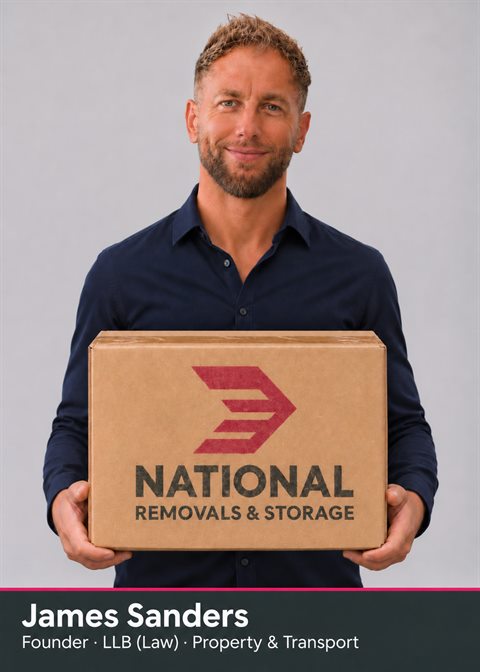
Written and reviewed by James Sanders, founder of National Removals and Storage
Last reviewed
The short version
The short answer
Start about a week before the move with things you rarely use, and keep a working kit of a plate, bowl, mug and cutlery for each person, one pan and the kettle until the end. Stand wrapped plates on their edges, pack glasses upright and use small or medium boxes so they are not too heavy. Run down the freezer: perishable food cannot go on the removal vehicle, and opened jars leak. Flammable cleaning products and aerosols are not moved. Empty, defrost and dry the fridge and freezer, and drain the washing machine before moving day.
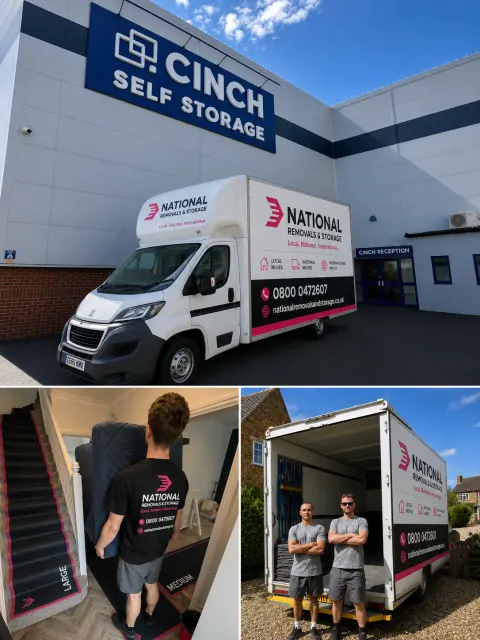 Real team, real vans
Before you book
What to know
The main points, in the order you are likely to need them.
Start a week ahead
Pack rarely used items first and keep a small working kit of crockery, one pan and the kettle until the end.
Plates on their edges
Wrap plates one at a time and stand them upright. Pack glasses upright with paper between them.
Appliances and food
Empty, defrost and dry the fridge and freezer. Perishable food, flammable cleaners and aerosols are not moved.
Want us to run these checks with you?
Answer three quick questions and our team will come back with a written quotation.
Hold us to it
Use the same checks when comparing us
A useful checklist should work for every company you consider. Ask us for the same written detail: the agreed inventory, access assumptions, included work, liability terms, payment schedule and the person responsible for your move.
Written scope
Check that the quotation states what is moving, which services are included and what could change the price.
Inventory and access
Make sure stairs, lifts, parking, long carries and unusual items are recorded before move day.
Liability and terms
Read the liability limits, exclusions, cancellation terms and claims process rather than relying on a verbal summary.
Named contact and complaints
Confirm who will coordinate the booking, how changes are recorded and where a complaint can be escalated.
Good questions
Frequently Asked Questions
Answers to common questions about how to pack a kitchen and how the service works.
Should plates be packed flat or on their edges?
On their edges. Wrapped plates standing upright, like records, are less likely to break than a flat stack.
Can you move food?
Sealed, unopened dry food can be packed. Perishable food cannot go on the removal vehicle, so take it with you in a cool bag.
Do I need to defrost my freezer?
Yes. Preparing appliances is the customer's job under our terms: empty, defrost and dry fridges and freezers before the move.
Start early and keep a working kit
The kitchen usually takes longer to pack than any other room, so start about a week before the move with the things you rarely use: serving dishes, baking tins, spare glasses and small appliances. Leave a working kit for the last few days: a plate, bowl, mug and cutlery for each person, one pan, the kettle and a washing-up kit.
Read next: Packing tips
Plates, glasses and pans
Kitchenware is heavy and breakable at the same time, so packing method matters more here than anywhere else.
- Line each box with crumpled paper.
- Wrap plates one at a time and stand them on their edges, like records, not flat in a pile.
- Wrap glasses individually and pack them upright with paper between them.
- Nest pans with paper between them, and use pans to hold small, unbreakable items.
- Use small or medium boxes so they are not too heavy to carry.
Read next: Packing fragile items
Food, liquids and cleaning products
Run down the freezer and food cupboards in the weeks before the move. Perishable food cannot go on the removal vehicle, so take what you need in a cool bag in your car and give the rest away.
Sealed, unopened dry food can be packed. Opened jars and bottles leak, so take them with you or throw them away. Cleaning products that are flammable or corrosive, and aerosols, are on the list of items we do not move.
Read next: What removers will not move
Fridges, freezers and washing machines
Preparing appliances is the customer's job under our terms. Empty and defrost the fridge and freezer, and leave them to dry for at least a day before the move. Disconnect the washing machine and dishwasher, drain them so they are dry, and fit transit bolts to the washing machine if you still have them.
Read next: What happens on moving day · Terms and conditions
Packing
Part of our packing guides
How to pack, label and protect your belongings, and when to hand it to a packing team.
- Packing tips for moving house
Room-by-room packing, labelling and materials advice that saves time at both ends.
- How to pack fragile items
Glassware, mirrors, pictures and ornaments: wrapping, boxing and loading them safely.
- How many boxes you need
Rough box counts by home size, which sizes to use and how boxes affect the vehicle you need.
- Removal boxes and packing materials
What is included with a fixed price move, what a typical move uses and how to tape and label boxes.
- What removers will not move
Hazardous items, valuables, food, plants and animals, and what to do with them instead.
Services and tools for this stage
Rather not pack the kitchen yourself?
Our packing team can pack just the kitchen and fragile items, or the whole house, the day before you move. Call 0800 007 4564 for a written quotation.