National Removals and Storage
How to Keep Office Move Downtime Low
A business keeps earning while it moves when the timing, the order of work and the preparation are planned. This guide explains the choices that keep downtime to a minimum.
- Written scope
- Inventory and access
- Liability and terms
- Named contact and complaints

Written and reviewed by James Sanders, founder of National Removals and Storage
Last reviewed


The short version
The short answer
Move when the office would be quiet anyway, avoiding month end and busy trading periods, and tell us the days you cannot close. Larger offices can move one team at a time, with storage between stages if needed. Get the internet connection live before move day and reconnect phones and network kit first, and have desks packed, lifts booked and everything labelled so the crew is never waiting.
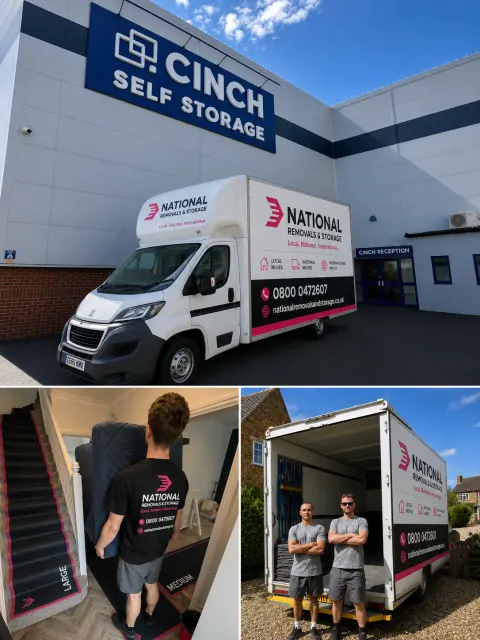 Real team, real vans
Before you book
What to know
The main points, in the order you are likely to need them.
Choose the quietest date
Avoid month end and busy trading periods, and tell us the days you cannot close so the move is planned around them.
Move a team at a time
Phased moves keep most of the business working, with storage between stages if the new space is not ready.
IT and phones first
Have the internet connection live before move day and reconnect phones and the network before anything else.
Want us to run these checks with you?
Answer three quick questions and our team will come back with a written quotation.
Hold us to it
Use the same checks when comparing us
A useful checklist should work for every company you consider. Ask us for the same written detail: the agreed inventory, access assumptions, included work, liability terms, payment schedule and the person responsible for your move.
Written scope
Check that the quotation states what is moving, which services are included and what could change the price.
Inventory and access
Make sure stairs, lifts, parking, long carries and unusual items are recorded before move day.
Liability and terms
Read the liability limits, exclusions, cancellation terms and claims process rather than relying on a verbal summary.
Named contact and complaints
Confirm who will coordinate the booking, how changes are recorded and where a complaint can be escalated.
Good questions
Frequently Asked Questions
Answers to common questions about reducing office move downtime and how the service works.
How do we choose the best date for an office move?
Pick a time when the business is quietest, avoid month end and busy trading periods, and tell us the days you cannot close so we can plan around them.
Is it better to move in one go or in stages?
One go gives the shortest total disruption if the office can close for a day. Stages keep most staff working but take longer overall.
What causes most delays on the day?
Waiting: for lifts, for desks to be cleared or for decisions about where things go. Bookings, packing and labelling before the day prevent most of it.
Choose the right time to move
The quickest way to cut downtime is to move when the office would be quiet anyway. Avoid month end, payroll and busy trading periods, and tell us the days you cannot close so the move is planned around them. Midweek dates are often easier to secure.
Read next: Office removals
Move in one go or one team at a time
A small office usually moves in one go. A larger one can move a team at a time, so the rest of the business keeps working, and storage can hold furniture or archives between stages if the new space is not ready.
- One go: shortest total disruption, best when the whole office can close for a day.
- In stages: each team is away from its desks for a short time, at the cost of a longer overall move.
Read next: Business storage for documents and stock
Get IT and phones working first
Staff can work with boxes still unpacked, but not without internet and phones. Ask your IT provider to have the new connection live before move day, and to reconnect the server or network kit first.
Read next: Moving office IT equipment
Prepare so the crew is never waiting
Time lost on the day is usually time spent waiting for a lift, a desk or a decision.
- Have desks cleared and packed before the crew arrives.
- Book lifts and loading bays at both buildings for the agreed times.
- Label everything to the floor plan, so nothing is placed twice.
- Keep one person on hand at each building to answer questions.
Read next: Office move checklist
Office and business moves
Part of our office and business moves guides
Planning an office relocation, moving IT, keeping the business running and dealing with storage and old furniture.
- Office relocation guide
Dates, roles, quotes, labelling, insurance and phased moves for a business relocation.
- Office move checklist
What to arrange from three months out to the first week in the new office.
- Moving office IT equipment
Computers, servers and comms cupboards: who disconnects, who moves and how to prepare.
- Business storage for documents and stock
Storage sizes, crate storage and how to box and index records so you can get them back.
- Office furniture reuse and disposal
Reuse, donation, recycling and disposal of furniture you are not taking.
Services and tools for this stage
Need to move without closing?
Tell us the days you cannot be closed and we will plan the move around them, in one go or one team at a time. Call 0800 007 4564.