National Removals and Storage
Office Building Relocation
Specialist support for moving office buildings and larger outdoor office structures.
Office Buildings: service overview
Our office building relocation service supports the movement of larger office-style structures and similar units requiring specialist handling.
Treat the garden office as a building and a workspace
A garden office contains two different relocation questions: whether the structure can be moved and what happens to the working contents inside it. Provide the building's dimensions, construction and manufacturer details where available. Send photographs of the exterior, accessible interior, base and route to the loading position. Separately list desks, equipment and boxed contents that need transport. A furniture inventory alone does not establish the feasibility of moving the building around it.
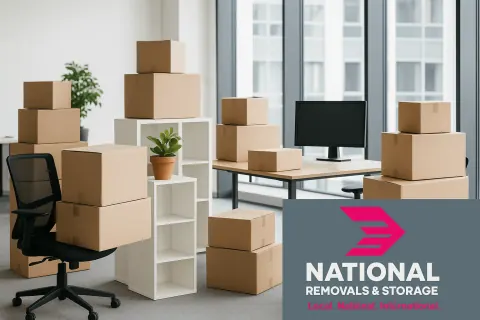
Explain alterations made since installation, including added partitions, insulation, glazing or fixed units. Mention known defects, leaks and repairs. A garden office may have been assembled or adapted for its present site, so its suitability for dismantling and relocation needs assessment. Do not assume that a structure sold as modular can always be moved again in its current condition or by the same method used when it was new.
Describe electrical, data, heating, plumbing or other services connected to the building. Identify the appropriate specialists responsible for disconnection, preparation and later recommissioning. These tasks should not be inferred from a transport quotation. The relocation schedule needs an agreed point at which the structure and its contents are ready for the accepted physical work, with technical responsibilities understood by the owner and every provider involved.
Confirm the authority and permissions relevant to removing and installing the building at the two properties. A physical relocation proposal does not establish property, planning or tenancy permission. Resolve those questions through the appropriate responsible parties before committing to the move. If the office is being sold, clarify what belongs in the transaction, including fixed fittings and removable equipment, so the collection inventory is not disputed on the day.
How We Help
Clear information about office buildings, the available options and what to expect when you contact our team.
Larger Structure Relocation
Suitable for office-style buildings and larger units.
Specialist Handling
Useful where standard removals work is not enough.
Practical Relocation Support
A dependable service for moving larger structures.
Why Choose National Removals and Storage
Our office buildings service is planned around clear communication, careful handling and dependable logistics. The scope is confirmed before work begins so the team, vehicles and supporting services match your requirements.
Clear Planning
We confirm access, timing and the practical scope before the service begins.
Careful Handling
Trained teams use suitable equipment and protection for items in our care.
Flexible Options
Packing, storage and related support can be added where the service requires it.
Professional Coordination
One agreed brief keeps the collection, delivery and any supporting services coordinated. Tell us who can confirm instructions and changes.
Plan the interruption to work separately from the structure's journey
Decide when the office can stop being used and where essential work will continue during relocation. Keep necessary documents and equipment accessible under your own business arrangements. Identify the furniture and technology that can be packed early and anything needed until the final working period. The move should have a defined release schedule rather than an open-ended instruction to relocate the building while every workspace remains operational.
Arrange technical preparation for equipment with the appropriate people. Backups, disconnection, reconnection and testing remain separate from physical furniture transport unless explicitly agreed. Use a consistent inventory for desks, screens, storage units and shared equipment, with destinations for anything not returning to the relocated office. This helps distinguish the business contents from the building components and avoids mixing unrelated fittings or packages.
Explain whether the structure will be transported and reassembled directly or whether storage or a gap between stages is expected. Each stage needs a receiving contact and clear component identification. If a base contractor or specialist installer controls the next date, name that dependency in the plan. The service should not dispatch the prepared building merely because collection is complete when the destination cannot yet receive it.
Set a realistic reopening sequence around the agreed work. Structure placement, installation, service connections and furniture delivery may be separate appointments. Your business should confirm when the workspace is ready for use rather than treating transport completion as proof of operational readiness. A clear coordinator can keep those stages aligned and report delays before they cause another provider to arrive at an unavailable site.
Assess the route, receiving base and installation responsibilities…
Show the complete path from the present building to the proposed loading area, including working space around it. Provide gate widths, turns, changes in level and other constraints requested during assessment. Give equivalent information at the destination. The transport method must be assessed against the actual structure and route; do not assume that an intact building or its larger prepared components can pass through an ordinary garden entrance.
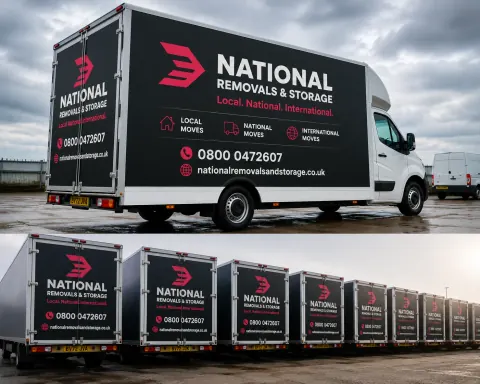
Confirm who is responsible for the receiving base and its suitability for the office. Provide the actual structure's requirements to that specialist and resolve any necessary groundwork before the relocation stage depends on it. Landscaping, foundation work or alterations to the building are distinct services unless expressly included. An agreed vehicle journey does not establish that the receiving ground is prepared for a usable workspace.
Review the scope for dismantling, protection, transport, placement, reassembly and any finishing work. Identify weatherproofing, glazing, fixing or other installation tasks that need another provider. If unusual lifting or site equipment is proposed, ask for the specific arrangement to be confirmed after assessment. Keep the accepted method and its limitations clear so neither the owner nor the crew is left to improvise structural work outside the proposal.
Use one written plan for the building and its separate contents
The quotation should identify the structure, contents and service stages accepted, along with access assumptions and separately arranged tasks. Ask how concealed damage, changed site conditions or an unavailable component will be handled. Name the person who can authorise a revised scope. A garden office relocation can depend on several trades, so a single current plan is more useful than unrelated verbal instructions given to each provider.
Keep photographs, component references and known condition notes available at collection and delivery. Check the agreed physical handover and record any outstanding installation or technical work. The receiving owner should know which stages remain before the building can serve as an office again. That record helps prevent a delivered structure being treated as a completed operational workspace when service connections or other required work are still pending.
For an initial enquiry, send building details, photographs, both addresses, access information and the requested timing. Add a separate contents list, connected-service details and the receiving-base arrangements. National Removals can assess the physical work requested and explain what further information or specialist input is needed. The resulting proposal should connect feasibility, site preparation, transport and the business's own reopening responsibilities in a clear sequence.
Frequently Asked Questions
Answers to common questions about office buildings and how the service works.
What are office buildings in this service?
This service supports relocation of larger office-style structures and similar units.
Is this specialist work?
Yes, larger structures usually need more planning and handling than standard removals.
Related specialist services
Compare related services and choose the option that best matches the item, property or support you need.
Need office building relocation support?
Contact National Removals and Storage for specialist structure relocation help.