Vehicle condition
Running, steering, braking, ground clearance, dimensions and damage information shape the method.
West Bromwich · Vehicle Transport
Plan West Bromwich vehicle collection and delivery around the machine, the exact entrance and the people authorised to hand it over.
West Bromwich vehicle movements are coordinated with assessed transport partners for planned private, dealer, workshop, auction and storage collections. Condition, access, release and receiving arrangements are confirmed before dispatch.
Local assessment
West Bromwich access and routes
Written scope
Clear inclusions and responsibilities
Planned service
Practical details checked before booking
Direct support
0800 007 4564
What the service covers
The page separates planned carried transport from roadside recovery and makes the partner-delivered scope visible.
Running, steering, braking, ground clearance, dimensions and damage information shape the method.
Release references, contacts, keys and delivery acceptance are agreed before dispatch.
A suitable partner is selected against the vehicle, access, journey and requested timing.
National Removals and Storage
These are existing company images. Your written quotation confirms the team, vehicle or transport partner assigned to the booking.
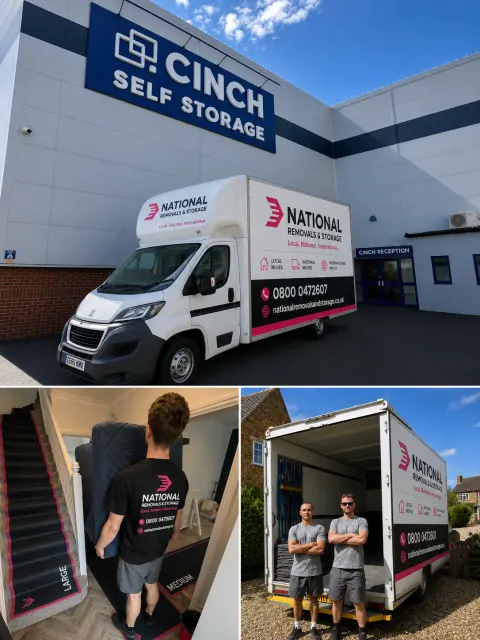
Existing company imagery showing our people and a National Removals and Storage vehicle.
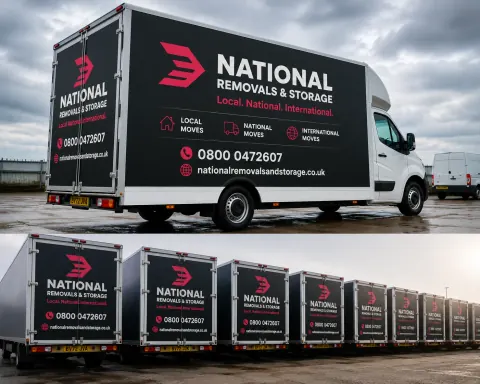
Branded fleet capacity supporting planned removals, collections and deliveries.
West Bromwich vehicle movements are coordinated with assessed transport partners for planned private, dealer, workshop, auction and storage collections. Condition, access, release and receiving arrangements are confirmed before dispatch.
West Bromwich vehicle transport often depends on finding the usable entrance rather than merely reaching the postcode. A car may sit in a narrow residential street, below a block of flats, behind a workshop shutter, inside a controlled yard or at premises around Great Bridge, Black Lake, Hill Top or Stone Cross. The transport brief records gates, road width, surface, gradient and safe working space.
The vehicle record covers make, model, reference, approximate dimensions where relevant, photographs and operating condition. State precisely whether it starts, rolls, steers and brakes. Damage, flat tyres, locked steering, low ground clearance, leaks and loose bodywork can change the loading method.
The physical move is completed by an assessed specialist partner. National Removals coordinates information and availability, but transport is not a mechanical inspection, ownership check, repair service or emergency recovery. A written quotation names the condition accepted, collection and delivery contacts, site windows, partner role and guide price. Urban access, waiting, equipment and current partner capacity matter alongside mileage.
Route-based
A guide is confirmed after the vehicle, condition, collection release, route and partner availability are reviewed.
Guide prices are for example purposes only. Final quotes depend on access, property size, distance, timing and the level of support you need.
From £250
Smaller local moves and larger family home relocations.
From £295
Flexible planning for commercial and office relocations.
From £35/hr
Full packing, partial packing and fragile-item support.
From £15 p/w
Short-term or longer-term storage around your move.
From £65/hr
Furniture collection, single-item transport and smaller local moves.
Assessment-based
Upright, baby grand and grand piano moves planned around access.
Volume-based
Full and partial clearances with item destinations agreed in advance.
Route-based
Partner-coordinated motorcycle collection and delivery.
From enquiry to completion
Vehicle and route details
Partner capability check
Scope, cover and price
Collection and recorded handover
Local coverage
Coverage is confirmed against the individual address. We check access, the realistic loading position and any site restrictions before booking.
Postcodes: B70, B71
Photograph all sides, wheels and visible damage in good light. Supply the registration or sale reference and declare modifications such as lowered suspension, wide bodywork or immobiliser issues. A vehicle described as running should be capable of the limited movement required by the accepted loading method.
If it does not run, explain whether it can roll in neutral, steer, brake and hold air in its tyres. Collision damage or a fluid leak requires specific disclosure. The partner decides whether its equipment is suitable; the driver should not discover a seized wheel in a restricted West Bromwich street.
The working record for this stage should include vehicle reference, current photographs, mobility state, damage and modifications. Keep those details with the quotation and notify the coordinator if conditions change. The accepted method and guide price depend on the information remaining accurate at collection and delivery.
Before the date, review this part of the West Bromwich vehicle transport brief with every person controlling a key, gate, lift, release or receiving appointment. Confirm names, phone numbers, addresses and opening times. Photograph a material change and send it before dispatch rather than waiting for the team or partner to arrive. Keep the agreed route and loading area clear of unrelated items and vehicles. If a third party controls permission or paperwork, obtain confirmation directly. These checks reduce avoidable waiting and preserve a clear chain of responsibility.
Keep the accepted quotation available to both site contacts and check that its assumptions still describe the work. Do not rely on a telephone comment to expand the job. Additional items, a different floor, a changed entrance, an unavailable receiver or a shorter time window can alter labour, equipment and partner availability. Raise the change early enough for a written response. On the day, one authorised contact should be able to make practical decisions without changing ownership instructions or asking the team to use an unassessed route. After completion, compare the delivered outcome with the recorded scope, retain relevant photographs or paperwork and report a concern through the stated contact route.
Measure gates, garage doors and tight turns, then show the road and approach. Parked vehicles, width restrictions, low bridges, controlled yards and busy frontages can prevent a transporter using the position assumed by a customer. The vehicle may need to be moved to an agreed alternative by a competent person before collection.
Managed sites require opening hours, security procedure and an authorised booking. Record the exact gate rather than a large-site postcode. Any collection charge or release paperwork should be settled as agreed before the partner arrives.
The working record for this stage should include gate measurements, street constraints, alternative position, site booking. Keep those details with the quotation and notify the coordinator if conditions change. The accepted method and guide price depend on the information remaining accurate at collection and delivery.
Before the date, review this part of the West Bromwich vehicle transport brief with every person controlling a key, gate, lift, release or receiving appointment. Confirm names, phone numbers, addresses and opening times. Photograph a material change and send it before dispatch rather than waiting for the team or partner to arrive. Keep the agreed route and loading area clear of unrelated items and vehicles. If a third party controls permission or paperwork, obtain confirmation directly. These checks reduce avoidable waiting and preserve a clear chain of responsibility.
Keep the accepted quotation available to both site contacts and check that its assumptions still describe the work. Do not rely on a telephone comment to expand the job. Additional items, a different floor, a changed entrance, an unavailable receiver or a shorter time window can alter labour, equipment and partner availability. Raise the change early enough for a written response. On the day, one authorised contact should be able to make practical decisions without changing ownership instructions or asking the team to use an unassessed route. After completion, compare the delivered outcome with the recorded scope, retain relevant photographs or paperwork and report a concern through the stated contact route.
Identify the seller, dealer, workshop or key holder authorised to release the vehicle. List keys, documents and accepted accessories. Remove personal belongings, toll tags and valuables. Loose parts do not automatically travel inside the car; they need explicit acceptance and secure packaging.
Collection and delivery contacts should compare the vehicle with the recorded exterior condition. Transport does not establish title, finance status, mileage accuracy or mechanical quality. Buyers should complete those checks through appropriate services before authorising release.
The working record for this stage should include authorised releaser, keys and documents, accepted loose items, condition signatures. Keep those details with the quotation and notify the coordinator if conditions change. The accepted method and guide price depend on the information remaining accurate at collection and delivery.
Before the date, review this part of the West Bromwich vehicle transport brief with every person controlling a key, gate, lift, release or receiving appointment. Confirm names, phone numbers, addresses and opening times. Photograph a material change and send it before dispatch rather than waiting for the team or partner to arrive. Keep the agreed route and loading area clear of unrelated items and vehicles. If a third party controls permission or paperwork, obtain confirmation directly. These checks reduce avoidable waiting and preserve a clear chain of responsibility.
Keep the accepted quotation available to both site contacts and check that its assumptions still describe the work. Do not rely on a telephone comment to expand the job. Additional items, a different floor, a changed entrance, an unavailable receiver or a shorter time window can alter labour, equipment and partner availability. Raise the change early enough for a written response. On the day, one authorised contact should be able to make practical decisions without changing ownership instructions or asking the team to use an unassessed route. After completion, compare the delivered outcome with the recorded scope, retain relevant photographs or paperwork and report a concern through the stated contact route.
Access, handover and quotation detail
Confirm the exact entrance, unloading surface, vehicle placement and receiver. A West Bromwich workshop may have several units or a rear service road; a residential delivery may lack space for unloading at the address. The partner needs a lawful and workable point.
Fixed appointments and out-of-hours requests affect availability. If nobody can receive the vehicle, waiting or redelivery may be chargeable. Non-runners need a destination position that does not require unauthorised pushing, towing or repair by the transport partner.
The working record for this stage should include destination entrance, unloading space, receiver details, appointment window. Keep those details with the quotation and notify the coordinator if conditions change. The accepted method and guide price depend on the information remaining accurate at collection and delivery.
Before the date, review this part of the West Bromwich vehicle transport brief with every person controlling a key, gate, lift, release or receiving appointment. Confirm names, phone numbers, addresses and opening times. Photograph a material change and send it before dispatch rather than waiting for the team or partner to arrive. Keep the agreed route and loading area clear of unrelated items and vehicles. If a third party controls permission or paperwork, obtain confirmation directly. These checks reduce avoidable waiting and preserve a clear chain of responsibility.
Keep the accepted quotation available to both site contacts and check that its assumptions still describe the work. Do not rely on a telephone comment to expand the job. Additional items, a different floor, a changed entrance, an unavailable receiver or a shorter time window can alter labour, equipment and partner availability. Raise the change early enough for a written response. On the day, one authorised contact should be able to make practical decisions without changing ownership instructions or asking the team to use an unassessed route. After completion, compare the delivered outcome with the recorded scope, retain relevant photographs or paperwork and report a concern through the stated contact route.
Ask for the applicable transport cover and claims route, and keep condition photographs and the accepted brief. Compare quotes on loading method, appointment windows, waiting, urban restrictions and delivery obligations, not only total price.
Planned transport excludes roadside rescue, mechanical work, purchase inspection, valuation and indefinite storage unless separately agreed. If the condition, location or timing changes, notify the coordinator before dispatch so partner suitability and price can be reviewed.
The working record for this stage should include cover details, claims process, timing terms, clear exclusions. Keep those details with the quotation and notify the coordinator if conditions change. The accepted method and guide price depend on the information remaining accurate at collection and delivery.
Before the date, review this part of the West Bromwich vehicle transport brief with every person controlling a key, gate, lift, release or receiving appointment. Confirm names, phone numbers, addresses and opening times. Photograph a material change and send it before dispatch rather than waiting for the team or partner to arrive. Keep the agreed route and loading area clear of unrelated items and vehicles. If a third party controls permission or paperwork, obtain confirmation directly. These checks reduce avoidable waiting and preserve a clear chain of responsibility.
Keep the accepted quotation available to both site contacts and check that its assumptions still describe the work. Do not rely on a telephone comment to expand the job. Additional items, a different floor, a changed entrance, an unavailable receiver or a shorter time window can alter labour, equipment and partner availability. Raise the change early enough for a written response. On the day, one authorised contact should be able to make practical decisions without changing ownership instructions or asking the team to use an unassessed route. After completion, compare the delivered outcome with the recorded scope, retain relevant photographs or paperwork and report a concern through the stated contact route.
Related service guides
Explore the relevant specialist guide, or return to the West Bromwich service hub for other local moving support.
Planned collections, deliveries and partner coordination.
Condition, release and access checks for cars.
Collection and handover planning for motorcycles.
Longer-distance planning across the UK.
Return to the local service hub for house moves, office moves, packing and storage.
Independent review profiles
Review platforms are shown as independent evidence sources. Ratings, counts and local testimonials are only displayed when they can be verified.




Send the relevant condition, access, address, handover and timing details so the complete West Bromwich requirement can be assessed and quoted in writing.